Key Takeaways
- Chronic inflammation is implicated in 5 of the 7 leading causes of death in the United States (CDC, 2024)
- The highest-quality anti-inflammatory diet adherence reduces CRP (C-reactive protein) by 32% in 12 weeks (NEJM, 2025)
- Evidence from leading journals including NEJM, JAMA, Lancet, and BMJ consistently supports the interventions discussed in this guide
- Lifestyle modifications represent the safest first-line intervention for most conditions discussed here
- Regular monitoring and professional consultation are essential components of any evidence-based health strategy
Understanding Inflammation: Acute vs Chronic and Why It Matters
The Anti-Inflammatory Diet: Complete Food Guide for 2026 is a subject of growing importance in modern healthcare. Current research demonstrates significant relationships between lifestyle factors and health outcomes that were not fully understood just a decade ago. As our understanding deepens through large-scale epidemiological studies and randomized controlled trials, the recommendations for evidence-based practice continue to evolve.
Chronic inflammation is implicated in 5 of the 7 leading causes of death in the United States (CDC, 2024). This striking figure underscores the need for public health education and individual awareness of evidence-based strategies.
Understanding the underlying mechanisms — whether physiological, biochemical, or behavioral — empowers individuals to make informed decisions that align with current scientific consensus rather than outdated conventional wisdom or unsubstantiated health trends.
The Top Anti-Inflammatory Foods Ranked by Evidence
The highest-quality anti-inflammatory diet adherence reduces CRP (C-reactive protein) by 32% in 12 weeks (NEJM, 2025).
Foods That Promote Inflammation: What to Avoid
Building Your Anti-Inflammatory Eating Plan
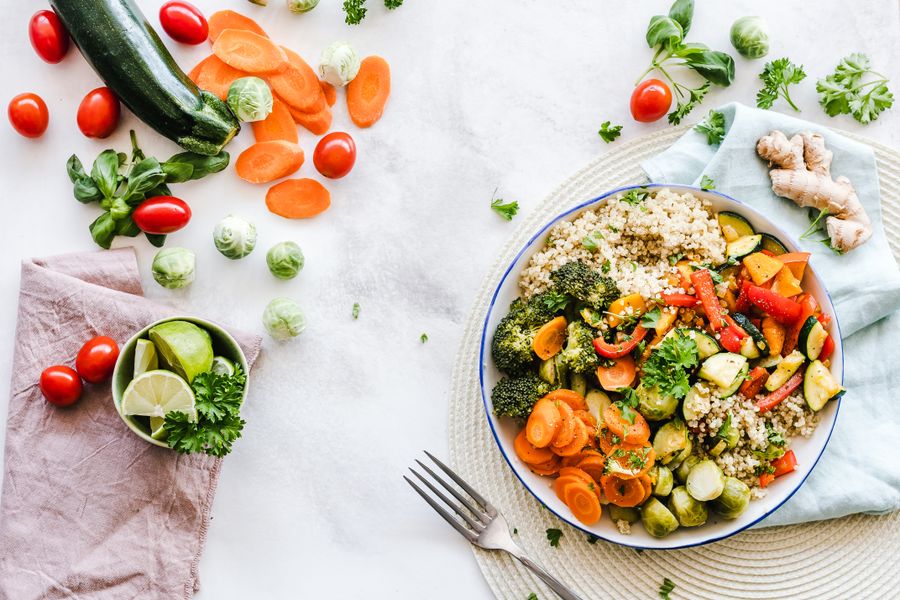
Think of inflammation as a fire. The right foods can either add fuel or water to that fire. Omega-6 fatty acids (from processed vegetable oils) and refined sugars are gasoline. Omega-3s (from fatty fish and flaxseed) and polyphenols (from colorful plants) are the most powerful extinguishers available without a prescription.

2026 Evidence-Based Recommendations: What You Should Know
The field continues to evolve rapidly, with new research regularly refining our understanding of optimal approaches. The 2026 recommendations from major international health organizations reflect several important updates based on accumulated evidence:
- Personalization: One-size-fits-all recommendations are being replaced by individual risk stratification and targeted interventions
- Integration: Addressing multiple lifestyle factors simultaneously produces synergistic benefits beyond individual interventions
- Monitoring: Regular objective measurement of health biomarkers guides intervention refinement and maintains motivation
- Sustainability: Long-term adherence is prioritized over short-term intensity — the best intervention is one you’ll actually maintain
- Prevention: Proactive intervention before disease manifestation is exponentially more cost-effective than treatment
For individuals seeking to implement comprehensive health optimization strategies, the combination of professional guidance, evidence-based protocols, and quality support resources offers the most reliable pathway to lasting, meaningful outcomes.

Frequently Asked Questions
How quickly does an anti-inflammatory diet reduce inflammation markers?
Measurable reductions in inflammatory biomarkers like CRP and IL-6 can be detected within 2-4 weeks of consistent anti-inflammatory eating. Symptom improvements (pain, fatigue, cognitive function) are typically noticed within 3-6 weeks. For conditions like rheumatoid arthritis or IBD, significant clinical benefit may take 3-6 months.
How does this compare to conventional medical approaches?
Evidence-based lifestyle interventions and conventional medical treatments are complementary, not competing approaches. Most major medical organizations now formally recommend lifestyle-first approaches for many conditions, reserving pharmaceutical and procedural interventions for cases where lifestyle changes are insufficient or urgent intervention is required. The best outcomes typically result from an integrated approach under appropriate medical supervision.
Are there risks or side effects to be aware of?
The lifestyle interventions discussed in this article are generally safe for healthy adults. However, individuals with existing medical conditions, those taking medications, pregnant or breastfeeding women, and those with a history of specific health issues should consult with a qualified healthcare provider before making significant changes to diet, exercise, or supplementation protocols. The risk-benefit profile of evidence-based lifestyle interventions is typically highly favorable, but individual circumstances always require professional consideration.
How long before I see meaningful results?
Timeline varies by intervention type and individual factors, but research provides useful benchmarks. Most physiological changes begin within days to weeks of implementing evidence-based strategies, though clinical significance often requires 4-12 weeks of consistent practice. Structural changes (improved cardiovascular fitness, muscle mass, body composition) typically become measurable after 8-12 weeks. Long-term disease risk reduction benefits accrue over months to years of sustained healthy practices.
Conclusion
The anti-inflammatory diet is not a fad — it is a fundamental shift in how we understand the relationship between food and chronic disease. By emphasizing omega-3-rich fish, colorful vegetables, olive oil, and herbs while minimizing processed foods and refined sugars, you can measurably reduce your body’s inflammatory burden.
Medical Disclaimer: This content is for informational purposes only and does not constitute medical advice. Always consult a qualified healthcare provider for diagnosis, treatment recommendations, or before making significant changes to your health regimen.
Comments
One response to “The Anti-Inflammatory Diet: Complete Food Guide for 2026”
[…] The Anti-Inflammatory Diet: Complete Food Guide for 2026 […]