Chronic Inflammation: The Silent Root of Modern Disease
Inflammation is the body’s essential defense and repair mechanism — a critical response to infection, injury, and cellular stress that clears pathogens, repairs tissue, and initiates healing. Acute inflammation is beneficial and tightly regulated: it activates, performs its function, and resolves, returning the tissue to homeostasis. The disease driver is chronic low-grade inflammation — a state of perpetual, smoldering immune activation without adequate resolution, producing a constant background of inflammatory cytokines, oxidative stress, and immune cell activation that progressively damages tissues across every organ system.
The measurement of chronic inflammation in clinical practice typically uses high-sensitivity C-reactive protein (hs-CRP) — a liver protein produced in response to inflammatory cytokines including interleukin-6 (IL-6). In healthy, non-inflamed individuals, hs-CRP is typically below 1.0 mg/L. Values of 1-3 mg/L indicate moderate cardiovascular risk; above 3 mg/L indicates high risk. Chronic systemic inflammation (hs-CRP > 3) is present in 25-35% of middle-aged Western adults and predicts future cardiovascular events, type 2 diabetes, cancer, and dementia independently of other risk factors. Diet is one of the most powerful and modifiable determinants of hs-CRP.
The dietary contribution to chronic inflammation operates through multiple pathways. Advanced glycation end-products (AGEs) — toxic compounds formed when proteins or fats are exposed to sugars during high-heat cooking, or consumed directly in processed foods — directly activate inflammatory receptor pathways (RAGE). Excess omega-6 linoleic acid from seed oils promotes arachidonic acid production and pro-inflammatory eicosanoid synthesis. Ultra-processed food emulsifiers and additives activate toll-like receptors on gut epithelial cells and immune cells. Conversely, a diet rich in polyphenols, fiber, omega-3s, and diverse plant foods activates Nrf2 (the master antioxidant response regulator), NF-κB inhibitors, and pro-resolving mediator synthesis.
KEY TAKEAWAYS
- Hs-CRP above 3 mg/L is present in 25-35% of Western adults and predicts multiple chronic diseases
- Diet is the single most modifiable determinant of chronic inflammation — more than most medications
- Extra-virgin olive oil’s oleocanthal inhibits COX-1 and COX-2 like ibuprofen, but without side effects
- The anti-inflammatory diet has equivalent evidence to statin therapy for cardiovascular risk reduction in some populations

Pro-Inflammatory Foods to Eliminate
Refined vegetable and seed oils — corn oil, soybean oil, sunflower oil, safflower oil, cottonseed oil — are among the most pro-inflammatory foods in the modern diet, primarily through their extraordinarily high omega-6 linoleic acid content (50-75% of fatty acids). These oils, introduced at scale into the food supply in the mid-20th century, displace omega-3s in cell membranes and serve as precursors to arachidonic acid and pro-inflammatory eicosanoids. The cooking of these oils at high temperatures generates toxic oxidized lipid products (4-hydroxynonenal, acrolein, trans-fats) that directly damage DNA and activate inflammatory cascades. Replace with extra-virgin olive oil (for cooking below 375°F), avocado oil (high smoke point, neutral profile), or coconut oil for high-heat applications.
Ultra-processed foods drive inflammation through multiple simultaneous mechanisms: emulsifiers disrupting gut barrier function (increasing lipopolysaccharide endotoxin translocation into circulation — a powerful inflammatory trigger); refined carbohydrates and added sugars elevating blood glucose and insulin; artificial food dyes activating mast cells; preservatives generating reactive oxygen species; and the overall displacement of anti-inflammatory whole foods. The degree of food processing is independently predictive of inflammatory biomarkers in prospective studies after controlling for individual nutrient composition — meaning it’s not just what ultra-processed foods contain but what they do to gut ecology and absorption that drives inflammation.

Refined carbohydrates and added sugar promote inflammation directly through glycation (AGE formation) and indirectly through insulin resistance and visceral fat accumulation (which is itself a metabolically active inflammatory organ, secreting TNF-alpha, IL-6, and resistin). People with high blood sugar — whether from type 2 diabetes or post-meal glucose spikes from high-glycemic eating — show elevated inflammatory markers, advanced atherosclerosis, and accelerated tissue aging across multiple systems. The glycemic load of meals (determined by both glycemic index and carbohydrate quantity) is a stronger predictor of inflammatory outcomes than carbohydrates alone, emphasizing the importance of fiber density and food form.
Trans fatty acids — industrially produced by partial hydrogenation of vegetable oils — are the most thoroughly validated dietary promoter of inflammation and cardiovascular disease, with meta-analyses showing that each 2% of calories from trans fats increases coronary heart disease risk by 23-28%. While regulatory action has substantially reduced trans fat content in many countries, partially hydrogenated oils still appear in some packaged baked goods, fried foods, and margarines, and naturally occurring trans fats (from ruminant animal products like beef and dairy) remain ubiquitous. Identifying and eliminating industrial trans fats — by reading ingredient labels and avoiding “partially hydrogenated” oils — provides measurable cardiovascular protection.

The Most Powerful Anti-Inflammatory Foods
Extra-virgin olive oil, already discussed in the context of the Mediterranean diet, deserves emphasis specifically for its anti-inflammatory credentials. Oleocanthal — a polyphenol in EVOO — inhibits cyclooxygenase (COX) enzymes 1 and 2, the same enzymes targeted by ibuprofen and aspirin, with the same anti-inflammatory mechanism at the doses present in 50ml (3.5 tablespoons) of high-polyphenol EVOO. Unlike NSAIDs, oleocanthal has no gastric or renal side effects at dietary doses. Regular EVOO consumption consistently reduces hs-CRP, IL-6, and ICAM-1 in RCTs. Quality matters: choose single-estate or single-origin cold-pressed EVOO with an acidity below 0.5% and a harvest date within 18 months; these have dramatically higher polyphenol content than supermarket blends.
Turmeric (curcumin): curcumin — the active compound in turmeric — inhibits NF-κB (the master inflammatory signaling switch), reduces TNF-alpha and IL-1β, and activates Nrf2 (the antioxidant response element). Systematic reviews find significant reductions in hs-CRP, TNF-alpha, and IL-6 with curcumin supplementation. The challenge: curcumin is poorly bioavailable when consumed as plain turmeric powder. Bioavailability is enhanced 20-fold by piperine (black pepper compound — add black pepper to any turmeric-containing dish or supplement) and by fat (take with a fatty meal). Liposomal and nanoparticle formulations show the highest bioavailability. Effective supplementation doses: 500-2000mg curcumin with piperine daily.
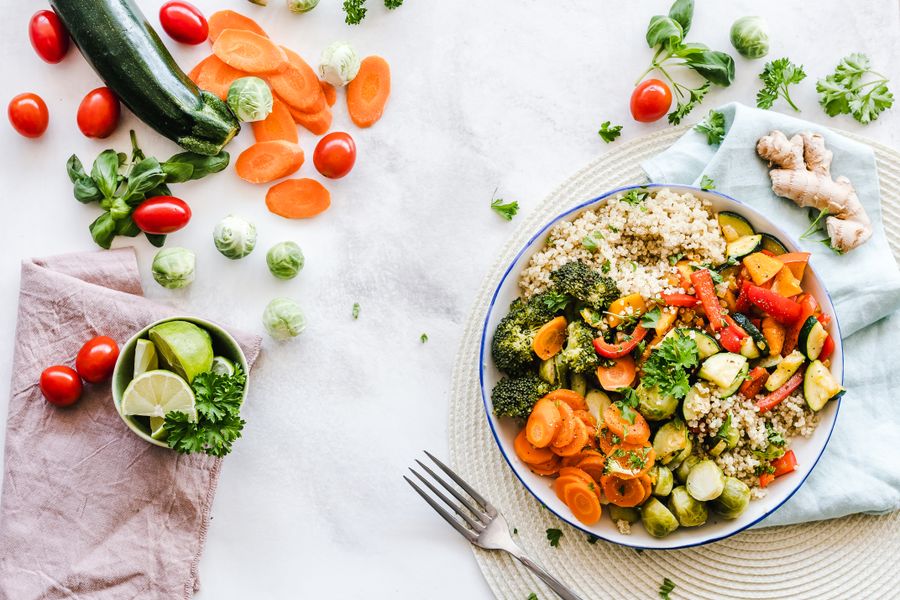
Berries — blueberries, strawberries, raspberries, blackcurrants — concentrate anthocyanins, the pigments responsible for their deep color and their most potent anti-inflammatory properties. Anthocyanins inhibit NF-κB activation, reduce oxidative stress, improve endothelial function, and selectively reduce visceral adiposity in animal models. A daily serving (150g) of mixed berries for 8 weeks reduces IL-6 and TNF-alpha in overweight adults in clinical trials. Wild blueberries have 2-3x higher anthocyanin content than cultivated, and frozen berries retain full polyphenol content. Include at least one serving of berries daily, incorporated into breakfast, smoothies, or dessert.
Green tea: epigallocatechin gallate (EGCG) — the most abundant catechin in green tea — is one of the most studied anti-inflammatory compounds in human nutrition. It inhibits multiple inflammatory signaling pathways including NF-κB and MAPK, reduces TNF-alpha and IL-6, protects against oxidative DNA damage, and reduces hs-CRP. Meta-analyses find consistent reductions in hs-CRP of 0.3-0.7 mg/L with green tea or EGCG supplementation. Three to four cups of matcha or high-quality green tea daily (or 400-800mg EGCG supplement) provides therapeutic anti-inflammatory doses. Matcha is preferred over steeped green tea because it involves consuming the entire ground tea leaf (whole leaf), delivering 3-5x more EGCG per serving.
Comments
2 responses to “Anti-Inflammatory Nutrition: The Evidence-Based Diet to Cool Chronic Inflammation”
[…] Anti-Inflammatory Nutrition: The Evidence-Based Diet to Cool Chronic Inflammation […]
[…] Anti-Inflammatory Nutrition: The Evidence-Based Diet to Cool Chronic Inflammation […]