The Science of Feeding Your Microbiome
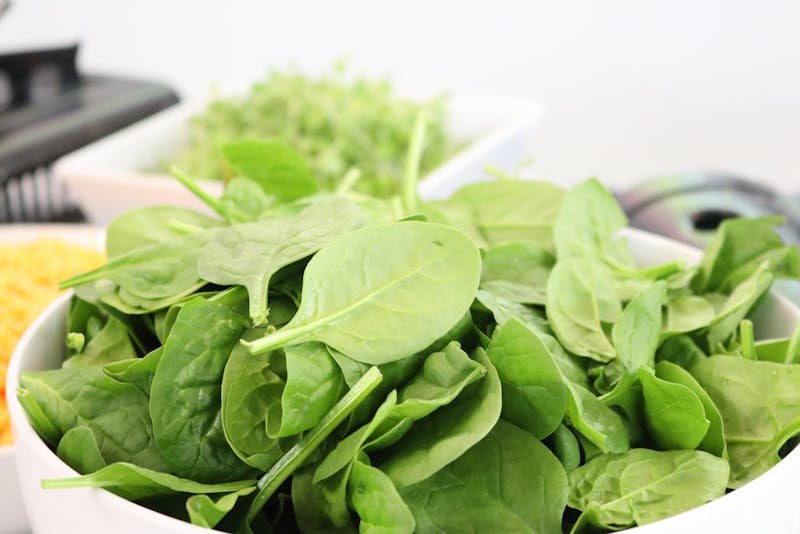
Dietary fiber — the indigestible carbohydrates found in plants — is the single most important nutritional variable for microbiome health. Beneficial gut bacteria ferment fiber to produce short-chain fatty acids (SCFAs) including butyrate, propionate, and acetate, which serve as primary fuel for colonocytes (gut lining cells), regulate immune function, reduce gut permeability, and exert systemic anti-inflammatory effects. Butyrate in particular is one of the most protective compounds the human body can produce: it maintains gut barrier integrity, inhibits colorectal cancer cell proliferation, and signals satiety hormones. The single best predictor of microbiome diversity and SCFA production is total daily fiber intake.
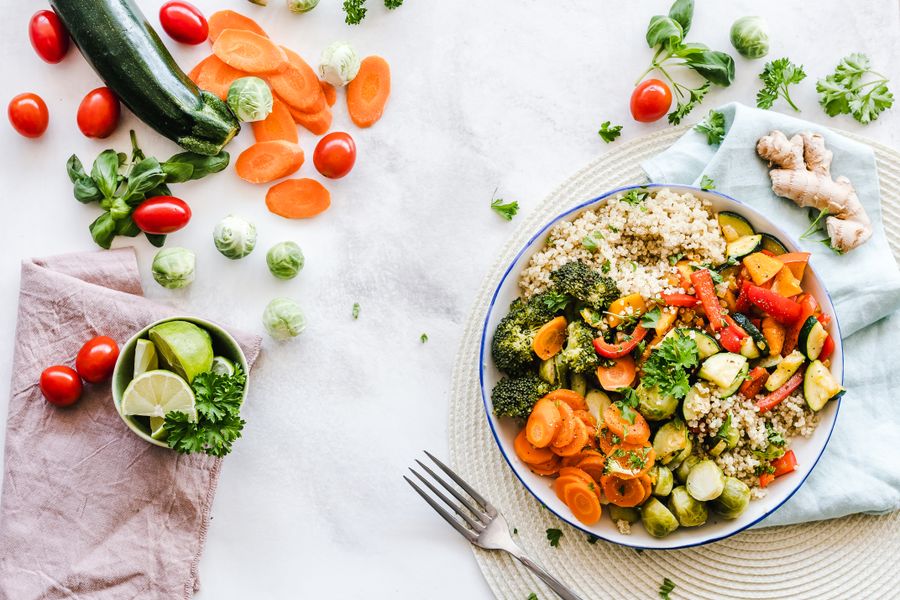
The global average fiber intake is approximately 20g per day; research suggests optimal intake for microbiome health is 35-50g daily. Most ultra-processed Western diets provide 12-15g. Hunter-gatherer populations eating traditional whole-food diets consume 100-150g of fiber daily and harbor dramatically more diverse microbiomes than Westernized populations. Increasing fiber intake by even 10-15g daily produces measurable improvements in microbiome diversity within 2-3 weeks. The most effective strategy: eat at least 30 different plant foods per week (the “diversity target” established by the British Gut Project’s research with 10,000+ participants).
Fermented foods deliver live beneficial microorganisms (probiotics) directly to the gut. A landmark 2021 Stanford RCT found that a high-fermented-food diet (yogurt, kefir, kimchi, sauerkraut, kombucha, fermented vegetables) for 10 weeks increased microbiome diversity and decreased 19 inflammatory proteins in healthy adults — a more potent effect than a high-fiber diet in the same study. The practical implication: include at least one serving of fermented food daily. Best options: plain whole-milk yogurt with live cultures, kefir (more microorganism diversity than yogurt), lacto-fermented vegetables like kimchi, sauerkraut, or miso. Kombucha provides some benefit but lower organism counts than dairy-based ferments.
Polyphenols — plant compounds found in berries, dark chocolate, olive oil, green tea, and colorful vegetables — serve as prebiotics (selectively feeding beneficial species) while also exerting direct anti-inflammatory effects. The gut microbiome metabolizes polyphenols into bioavailable compounds more active than the parent molecules, meaning that people with healthier microbiomes extract more benefit from polyphenol-rich foods. This creates a positive feedback loop: eating polyphenols improves the microbiome, which improves polyphenol metabolism. Best sources: blueberries (50+ polyphenol compounds), extra-virgin olive oil (oleocanthal, oleuropein), dark chocolate ≥70% cacao, green tea (EGCG), red wine in moderation, and all deeply pigmented fruits and vegetables.