Health • Wellness • Medical Research

Author: MediVara Editorial Team

  • Vaccine Technology: How mRNA Changed Modern Immunology Forever

    Vaccine Technology: How mRNA Changed Modern Immunology Forever

    The mRNA Platform: Speed and Precision

    Before COVID-19, messenger RNA vaccines existed only in research laboratories. Within eighteen months of the SARS-CoV-2 sequence being published, mRNA vaccines had completed Phase 3 trials and received emergency authorization. This unprecedented timeline — compared to the typical decade-plus vaccine development process — demonstrated the transformative potential of the platform.

    Traditional vaccines use weakened viruses, inactivated pathogens, or protein subunits to train immune systems. mRNA vaccines work differently: they deliver genetic instructions that prompt cells to temporarily produce a target protein, which the immune system then learns to recognize. No live pathogen is involved, and the mRNA degrades within days. The immune memory it creates, however, persists for years.

    The key innovation making this possible came from decades of basic research by Katalin Karikó and Drew Weissman, who discovered in 2005 that chemically modifying nucleosides in mRNA prevented the inflammatory immune response that had previously made mRNA therapeutics impractical. This discovery, which earned the 2023 Nobel Prize in Physiology or Medicine, unlocked the entire platform.

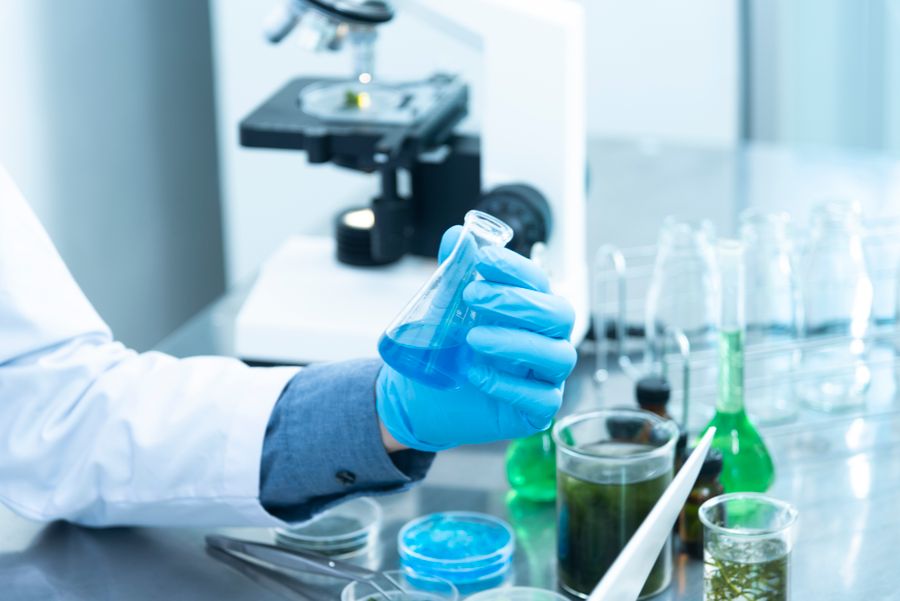
    Vaccine research
  • Longevity Science: What the Latest Research Says About Living to 100

    Longevity Science: What the Latest Research Says About Living to 100

    The Biology of Aging

    Aging is not simply the passage of time — it is a collection of molecular and cellular processes that accumulate damage, exhaust repair systems, and ultimately compromise function. The Lopez-Otin hallmarks of aging framework identifies twelve interconnected mechanisms, from telomere shortening and DNA damage to altered nutrient sensing, mitochondrial dysfunction, and cellular senescence.

    Cellular senescence is a state where damaged cells stop dividing but refuse to die. These zombie cells accumulate with age and secrete inflammatory signals that damage neighboring tissues — a phenomenon called the senescence-associated secretory phenotype (SASP). Research from the Mayo Clinic showed that clearing senescent cells from old mice extended healthy lifespan by 36% and delayed multiple age-related conditions simultaneously.

    Epigenetic clocks offer a new way to measure biological age that may be more informative than chronological age. By examining methylation patterns at specific DNA sites, these clocks can estimate how old a person’s cells are biologically. People whose biological age is younger than their chronological age have lower risks of age-related disease and mortality in large prospective studies.

    Healthy aging
  • Artificial Intelligence in Medicine: How AI Is Transforming Diagnosis

    Artificial Intelligence in Medicine: How AI Is Transforming Diagnosis

    AI Enters the Clinical Mainstream

    Artificial intelligence is no longer a future promise in medicine — it is diagnosing disease today. Across radiology, pathology, dermatology, and cardiology, FDA-cleared AI algorithms are reading scans, analyzing biopsies, and detecting patterns invisible to the human eye. The question is no longer whether AI can contribute to medicine, but how to integrate it wisely into clinical workflows.

    Deep learning systems trained on millions of images can detect diabetic retinopathy in fundus photographs with accuracy matching ophthalmologists. Google’s DeepMind developed an AI system for detecting over 50 eye conditions from optical coherence tomography scans, recommending correct referrals 94% of the time. These tools are expanding access to specialist-level diagnosis in regions with few specialists.

    The path from promising research to regulatory approval has accelerated. The FDA cleared its first AI-based medical device in 1995, but only approved 100 such algorithms in total by 2020. By 2025, that number exceeded 700, with radiology and cardiovascular imaging leading the way. The regulatory machinery is adapting to handle adaptive AI systems that continue learning after deployment.

    AI in medicine
  • The Microbiome Revolution: New Research on Gut Bacteria and Disease

    The Microbiome Revolution: New Research on Gut Bacteria and Disease

    How the Gut Microbiome Shapes Our Health

    The human gut harbors approximately 38 trillion bacteria — roughly equal to the number of human cells in the body. This vast ecosystem, collectively known as the microbiome, has emerged as a central regulator of health far beyond digestion. Over the past decade, research has linked microbiome composition to conditions from inflammatory bowel disease and obesity to depression and autoimmune disorders.

    A 2023 Nature study involving over 10,000 participants found that gut microbiome diversity was a stronger predictor of metabolic health than body mass index. People with more diverse microbial communities had lower rates of type 2 diabetes, cardiovascular disease, and cognitive decline, regardless of weight. This finding has reshuffled understanding of what makes a healthy gut.

    The microbiome develops from birth, shaped by mode of delivery, feeding method, early environment, and antibiotic exposure. By age three, most children have established a relatively stable microbial community. But this community continues to change throughout life in response to diet, illness, medications, and stress. Understanding these dynamics is key to therapeutic applications.

    Microbiome research
  • CRISPR Gene Editing: What the Latest Clinical Trials Mean for Medicine

    CRISPR Gene Editing: What the Latest Clinical Trials Mean for Medicine

    Gene Editing Enters the Clinic

    CRISPR-Cas9 has moved from laboratory curiosity to clinical reality. In 2023, the FDA approved the first CRISPR-based therapy for sickle cell disease, marking a watershed moment in molecular medicine. This approval followed decades of work understanding how bacteria use these molecular scissors to cut and edit DNA with extraordinary precision.

    The mechanism is elegant: a guide RNA directs the Cas9 enzyme to a specific sequence in the genome, where it makes a targeted cut. The cell’s own repair machinery then fixes the break, either disabling a gene or inserting new genetic instructions. What once seemed science fiction is now transforming treatment for conditions once considered incurable.

    Early clinical results have been striking. Patients with sickle cell disease who received CRISPR-edited stem cells have remained transfusion-free for years after treatment. Beta-thalassemia patients have achieved functional cures. The technology is advancing faster than most scientists predicted a decade ago.

    Gene editing research
  • Joint Health: The Complete Science of Protecting Cartilage and Preventing Arthritis

    Understanding Joints: Structure, Function, and Disease

    Synovial joints — the movable joints of the limbs including the hips, knees, shoulders, elbows, and ankles — are elegant biological engineering that allow smooth, low-friction movement under forces many times body weight for decades. A synovial joint comprises: articular cartilage (a specialized tissue covering the bone ends, reducing friction to approximately 1/5 that of ice on ice); synovial fluid (a viscous lubricant produced by the synovial membrane, providing both lubrication and cartilage nutrition — cartilage has no blood supply and obtains nutrients from synovial fluid through compression/decompression cycling during movement); the joint capsule (a fibrous enclosure maintaining joint stability and retaining synovial fluid); and ligaments and tendons providing additional stability.

    Articular cartilage is predominantly composed of water (65-80% by wet weight), type II collagen (providing tensile strength and structural framework), proteoglycans (aggrecan — large molecules that attract and retain water, providing the compressive resilience of cartilage), and chondrocytes (the cells that maintain the cartilage matrix). Chondrocytes have limited regenerative capacity — cartilage lacks blood vessels and has very low cell turnover compared to other tissues, making cartilage damage difficult to repair and explaining why cartilage injuries often lead to progressive osteoarthritis rather than healing.

    Osteoarthritis (OA) — the breakdown of articular cartilage accompanied by bony changes (osteophyte formation, subchondral bone sclerosis) and synovial inflammation — is the most prevalent joint disease globally, affecting approximately 500 million people. It was long considered a “wear and tear” disease of mechanical overuse, but modern understanding emphasizes its complexity: OA involves metabolic dysfunction, low-grade synovial inflammation, cartilage matrix degradation by enzymes (MMPs — matrix metalloproteinases), impaired cartilage repair capacity, and systemic factors including obesity, metabolic syndrome, and systemic inflammation that drive OA even in joints not subjected to obvious mechanical overload.

    KEY TAKEAWAYS

    • Articular cartilage has no blood supply and extremely limited regenerative capacity — prevention is essential
    • Obesity is causally linked to knee OA through both mechanical load and systemic inflammatory factors
    • Exercise is the most evidence-based treatment for existing OA — more effective than most medications
    • Glucosamine + chondroitin has modest evidence for symptom relief in moderate-severe OA specifically
  • The 30-Day Fitness Transformation: A Science-Based Plan for Complete Beginners

    Why 30 Days Is the Right Starting Window

    Research on habit formation consistently shows that the first 30 days of a new behavior are the most critical and the most precarious: neural circuits encoding the habit are being established, motivational barriers are highest, and the gap between intention and action is at its maximum. Successfully navigating the first 30 days with consistent practice transitions the behavior from consciously effortful to automatic — changing its neurological character from a decision that must be made each day to a habit that executes with minimal cognitive overhead.

    The physiology of a 30-day beginners program also aligns with this window. The first 2-4 weeks of resistance training produce primarily neuromuscular adaptations — the nervous system learns to recruit muscle fibers more efficiently, improving strength by 20-40% without meaningful changes to muscle size. These early strength gains are rapid, highly motivating, and occur even in modest training volumes. Cardiovascular adaptations begin within the first week: plasma volume expansion (producing better cardiac output), mitochondrial biogenesis initiation, and improvements in lactate threshold all start within days of beginning aerobic training. Measurable fitness improvements — reduced exercise heart rate at a given workload, improved strength, better stamina — are detectable within 2 weeks in complete beginners.

    The key principles of a successful beginner program: (1) Consistency over intensity — the most important variable is showing up daily, not maximizing any single session’s difficulty; (2) Progressive overload from the very first session — always slightly harder than last time; (3) Sufficient recovery — 48 hours between resistance training of the same muscle groups; (4) Sustainable enjoyment — the program must be tolerable and ideally genuinely engaging; (5) Focus on form before load — movement quality established early prevents injury and creates the foundation for long-term progress.

    KEY TAKEAWAYS

    • Neuromuscular adaptations produce 20-40% strength gains in weeks 1-4 even with modest training volume
    • The most critical variable in any beginner program is consistent attendance, not training intensity
    • Habit formation takes 4-8 weeks — the first 30 days determine whether exercise becomes automatic
    • Starting too hard causes injury and dropout; starting too easy wastes the adaptation window
  • Building Mental Resilience: The Neuroscience of Bouncing Back From Adversity

    What Resilience Actually Is

    Psychological resilience — the capacity to adapt successfully to adversity, trauma, tragedy, threats, and significant sources of stress — has been studied systematically since the 1970s, when developmental psychologists began investigating why some children exposed to severe poverty, abuse, and family dysfunction developed serious psychological disorders while others thrived. The early framing of resilience as a personality trait possessed by “resilient people” (and lacking in those who struggled) has been superseded by a more nuanced understanding: resilience is a dynamic, context-dependent process involving the interaction of individual characteristics, social support, and environmental resources — one that can be deliberately developed through specific practices and skills.

    The neuroscience of resilience has advanced dramatically through the identification of the neural circuits and molecular mechanisms that differentiate resilient from susceptible responses to adversity. Key findings: resilient individuals show greater prefrontal cortical activity (regulatory) relative to amygdala activity (reactive) when exposed to stressors — they regulate emotional responses more efficiently. The ventral striatum (reward circuit) shows maintained responsiveness to positive events in resilient individuals even during adversity — preservation of reward-seeking motivation that prevents the anhedonia characteristic of depression. BDNF (brain-derived neurotrophic factor) levels remain higher in resilient individuals under stress — maintaining neuroplasticity and the capacity for new learning even under challenging conditions.

    The distinction between resilience and resistance is clinically important. Resistance would mean not being affected by adversity — a biological impossibility for neurologically intact humans. Resilience means being affected, potentially deeply, by adversity, but recovering in a reasonable timeframe and maintaining or restoring adaptive functioning. The trajectory data from longitudinal studies of bereaved individuals, disaster survivors, and trauma-exposed adults typically shows three patterns: a resilient trajectory (return to baseline function within weeks-months, sometimes with post-traumatic growth); a recovery trajectory (significant initial impairment followed by gradual recovery over 1-2 years); and a chronic dysfunction trajectory (persistent impairment without natural recovery). Resilience interventions aim to shift people toward the first trajectory without minimizing the genuine impact of adversity.

    KEY TAKEAWAYS

    • Resilience is a learnable set of skills — not a fixed personality trait you either have or lack
    • Cognitive flexibility (the ability to reframe adversity) is the single most trainable resilience skill
    • Strong social support networks predict resilient outcomes more consistently than individual characteristics
    • Post-traumatic growth — positive psychological change following adversity — occurs in 35-70% of trauma survivors
  • Cycling for Fitness: The Complete Guide from Commute to Competition

    Why Cycling Is Among the Best Fitness Investments

    Cycling occupies a unique position in the fitness landscape: it delivers elite-level cardiovascular benefits with essentially zero impact on joints, making it accessible throughout the entire lifespan in ways that running cannot be. The non-weight-bearing nature of cycling means that joint pain and injury — the primary reasons people reduce or stop running — are largely irrelevant to cycling participation. Former runners with knee OA, hip replacements, or back injuries can often cycle at high intensities that would be impossible or injurious on foot. Simultaneously, cycling demands the highest absolute VO2max requirements of any endurance sport — road cyclists develop among the highest measured maximal oxygen uptakes of any athletes.

    The health evidence for regular cycling is compelling. A large UK Biobank prospective study of 260,000 people found that regular cycling commuting was associated with 45% lower cardiovascular disease risk, 45% lower cancer risk, and 41% lower all-cause mortality compared to non-active commuting — even after adjusting for other leisure activity. A Danish study following 30,000 adults for 14 years found that regular cyclists had significantly lower risk of heart disease, hypertension, type 2 diabetes, and all-cause mortality. The dose-response is continuous: any cycling is better than none, and more cycling provides additional incremental benefit up to approximately 300 minutes per week of moderate intensity, at which point returns diminish.

    Cycling’s unique biomechanical advantages: the pedal stroke is a closed-chain movement that distributes force across the hips, knees, and ankles in a controlled, low-impact arc. When properly fitted to the bicycle, the cyclist maintains the hip, knee, and ankle in their optimal functional ranges — making cycling simultaneously joint-protective and highly conditioning. The knee joint, which sustains 4-5 times body weight per step during running, sustains only 1-1.5 times body weight during cycling. For people with knee conditions, cycling is often the only cardiovascular training modality that doesn’t exacerbate symptoms — and may actually improve knee health through improved peri-articular muscle strength and synovial fluid circulation.

    KEY TAKEAWAYS

    • Regular cycling reduces all-cause mortality by 41% and cardiovascular risk by 45% in large prospective studies
    • Cycling produces elite VO2max values with zero joint impact — ideal for high cardiovascular fitness across all ages
    • Proper bike fit is the single most important factor in injury prevention in cycling
    • A well-structured cycling training plan can produce a 15-20% VO2max improvement in 12 weeks
  • Digital Minimalism: The Evidence-Based Guide to a Healthier Relationship with Technology

    The Attention Economy and Its Health Costs

    The attention economy — the economic model in which technology companies generate revenue by capturing and selling human attention — has produced digital products that are, by explicit design, optimized to maximize time-on-platform at the expense of user wellbeing. Former insiders from Google, Facebook (Meta), Apple, and Twitter have testified publicly and in books (The Social Dilemma, Hooked) that features including infinite scroll, variable reward notifications, social validation metrics (likes), and algorithmic content curation are deliberately engineered using behavioral psychology principles — specifically operant conditioning with variable ratio reinforcement schedules, the same reward structure that makes gambling maximally addictive — to make disengagement as difficult as possible.

    The scale of smartphone attention capture is extraordinary. Average global daily smartphone use reached 4 hours 37 minutes in 2023 according to data.ai, with social media accounting for 2+ hours of this across most demographics. The health consequences of this level of consumption are increasingly well-documented: social media use above 3 hours daily is associated with significantly elevated depression and anxiety risk in adolescents (a 13-66% higher risk depending on study population and methodology); chronic smartphone use fragments sleep (blue light, late-night checking, morning first-check within 5 minutes of waking); and high passive social media consumption produces sustained elevated cortisol and self-reported stress in experimental studies.

    The attention fragmentation cost extends beyond mental health to cognitive performance. Gloria Mark at UC Irvine documented that the typical worker is interrupted or self-interrupts every 3 minutes; post-interruption, it takes an average of 23 minutes to return to the original task at full focus. The cumulative cognitive cost — measured in quality of decisions, depth of creative thinking, and accuracy of complex analysis — is substantial and largely invisible to the worker, who adapts to fragmented cognition as the new normal rather than recognizing it as impairment. Nicholas Carr’s research documented structural changes in reading patterns (skimming rather than deep reading, loss of extended concentration capacity) in heavy internet users compared to age-matched light users.

    KEY TAKEAWAYS

    • Average smartphone use exceeds 4.5 hours daily — the equivalent of 65 days per year spent on phones
    • Social media above 3 hours daily increases depression and anxiety risk in adolescents by 13-66%
    • The average worker is interrupted every 3 minutes; full focus recovery takes 23 minutes after each interruption
    • Phone presence on a table reduces conversation quality measurably, even without being used
  • Respiratory Health: Protecting Your Lungs in the Age of Air Pollution and Viruses

    The Remarkable Engineering of Human Lungs

    The human lungs are engineering marvels of extraordinary surface area efficiency. The two lungs together contain approximately 600 million tiny air sacs called alveoli, with a combined surface area of 70-80 square meters — roughly the size of a singles tennis court, packed into the chest cavity. This vast surface area is crossed by a capillary network of equal area, allowing oxygen diffusion from inhaled air into blood and carbon dioxide diffusion from blood into exhaled air across membranes only 0.5 micrometers thick — 100 times thinner than a human hair. The lungs move approximately 11,000 liters of air daily (at rest), filtering, warming, and humidifying every liter before it reaches the delicate alveolar surface.

    Lung function (measured by FEV1 — forced expiratory volume in 1 second, and FVC — forced vital capacity) peaks in the mid-20s and declines progressively thereafter at a rate of approximately 20-30ml/year in non-smokers. This physiological decline is acceptable — lungs have substantial reserve capacity. The pathological accelerations in lung function decline from smoking (4-5x normal decline rate), occupational exposures (asbestos, silica, fumes), recurrent respiratory infections, and air pollution exposure can convert this gradual physiological process into the devastating functional impairment of COPD, interstitial lung disease, or bronchiectasis within 20-30 years.

    Chronic obstructive pulmonary disease (COPD) — encompassing emphysema and chronic bronchitis — affects approximately 250 million people globally and is the third leading cause of death worldwide. 85-90% of COPD is caused by tobacco smoking; the remainder by occupational dust and chemical exposure, indoor air pollution (biomass burning for cooking in developing nations), and recurrent childhood lower respiratory infections. COPD is characterized by irreversible airflow obstruction caused by alveolar destruction and airway inflammation; the classic progression from “morning smoker’s cough” to dyspnea on exertion to rest dyspnea occurs over 20-30 years of smoking, during which >50% of lung function may be silently lost before symptoms drive medical evaluation.

    KEY TAKEAWAYS

    • Lungs have 70-80 square meters of surface area — nearly the area of a tennis court
    • COPD is 85-90% preventable by avoiding tobacco smoke and managing occupational exposures
    • Air pollution causes an estimated 7 million premature deaths annually — more than AIDS and malaria combined
    • Breathing exercises (diaphragmatic, pursed-lip) improve lung function and exercise tolerance in COPD
  • Healthy Travel: How to Maintain Your Fitness and Nutrition While on the Road

    Why Travel Is a Health Challenge

    Travel — particularly frequent business travel or long-haul international trips — is one of the most potent routine disruptors in modern life, and its health consequences are both immediate and cumulative. The combination of circadian disruption (time zone changes, altered sleep schedules), immune suppression (altitude, recycled cabin air, disrupted sleep, stress of transit), increased pathogen exposure (airports, aircraft, shared accommodation), nutritional deviations (airport food, business meals, unfamiliar cuisine), reduced physical activity (sedentary transit, disrupted exercise routines), and elevated psychological stress (logistical demands, presentations, performance pressure) creates a convergent assault on health that frequent travelers — who often normalize these challenges — rarely fully compensate for.

    Jet lag — the mismatch between the internal circadian clock and the new local time following rapid transmeridian travel — is the most immediately experienced health consequence of long-haul travel. The circadian system adjusts at approximately 1-1.5 hours per day — meaning a 9-hour time zone crossing (New York to London) requires approximately 6-9 days for full circadian adaptation. During this adaptation period: sleep is fragmented and non-restorative; cognitive performance (particularly working memory, attention, and complex decision-making) is impaired during the new nighttime hours; gut function is disrupted (the gut microbiome has its own circadian rhythms); athletic and physical performance is reduced; and immune function is suppressed. Eastward travel (crossing into earlier time zones) is consistently harder than westward (crossing into later time zones), because the human circadian clock naturally tends to drift later, making advance easier than delay.

    Cabin air and infection risk: aircraft cabins maintain air pressure equivalent to 6,000-8,000 feet altitude, producing relative hypoxia (lower oxygen partial pressure than sea level) that causes mild cognitive impairment and fatigue during flight. Cabin humidity is extremely low (typically 12-15%, far below the 40-60% optimal for mucosal function), desiccating respiratory mucous membranes and impairing their particle-trapping function. Modern HEPA-filtered air circulation (recycling cabin air through filters equivalent to surgical suite standards every 2-3 minutes) makes the filtered air itself relatively low in pathogen concentration — the actual infection risk comes from close proximity to symptomatic fellow passengers, touching contaminated surfaces (tray tables are among the most contaminated surfaces measured in any study), and the immune suppression induced by disrupted sleep, stress, and mild hypoxia.

    KEY TAKEAWAYS

    • Jet lag impairs cognitive performance and immune function for 6-9 days after a 9-hour time zone crossing
    • Aircraft cabin humidity of 12-15% desiccates respiratory mucous membranes — drink 250ml water per hour in flight
    • Light exposure on the first morning at destination is the single most effective jet lag reset tool
    • Hotel room exercise (bodyweight or resistance band) maintains 80-90% of training benefit during travel