
The Most Powerful Anti-Inflammatory Foods
Extra-virgin olive oil, already discussed in the context of the Mediterranean diet, deserves emphasis specifically for its anti-inflammatory credentials. Oleocanthal — a polyphenol in EVOO — inhibits cyclooxygenase (COX) enzymes 1 and 2, the same enzymes targeted by ibuprofen and aspirin, with the same anti-inflammatory mechanism at the doses present in 50ml (3.5 tablespoons) of high-polyphenol EVOO. Unlike NSAIDs, oleocanthal has no gastric or renal side effects at dietary doses. Regular EVOO consumption consistently reduces hs-CRP, IL-6, and ICAM-1 in RCTs. Quality matters: choose single-estate or single-origin cold-pressed EVOO with an acidity below 0.5% and a harvest date within 18 months; these have dramatically higher polyphenol content than supermarket blends.
Turmeric (curcumin): curcumin — the active compound in turmeric — inhibits NF-κB (the master inflammatory signaling switch), reduces TNF-alpha and IL-1β, and activates Nrf2 (the antioxidant response element). Systematic reviews find significant reductions in hs-CRP, TNF-alpha, and IL-6 with curcumin supplementation. The challenge: curcumin is poorly bioavailable when consumed as plain turmeric powder. Bioavailability is enhanced 20-fold by piperine (black pepper compound — add black pepper to any turmeric-containing dish or supplement) and by fat (take with a fatty meal). Liposomal and nanoparticle formulations show the highest bioavailability. Effective supplementation doses: 500-2000mg curcumin with piperine daily.
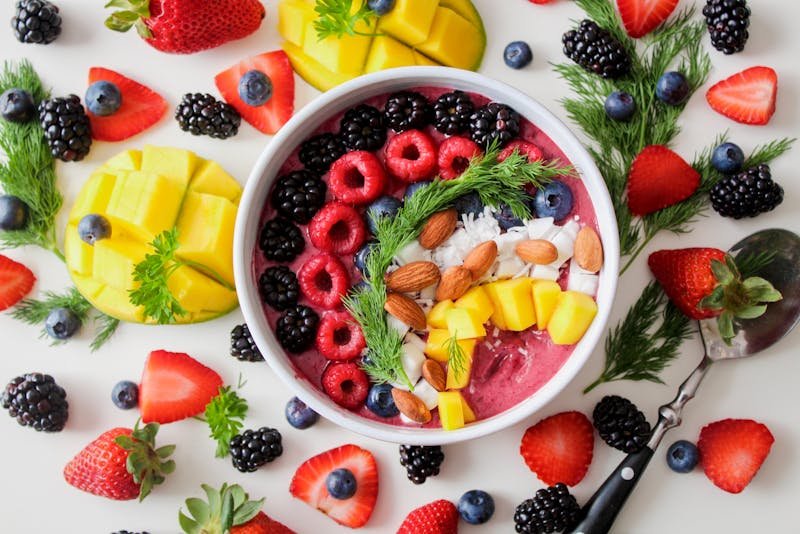
Berries — blueberries, strawberries, raspberries, blackcurrants — concentrate anthocyanins, the pigments responsible for their deep color and their most potent anti-inflammatory properties. Anthocyanins inhibit NF-κB activation, reduce oxidative stress, improve endothelial function, and selectively reduce visceral adiposity in animal models. A daily serving (150g) of mixed berries for 8 weeks reduces IL-6 and TNF-alpha in overweight adults in clinical trials. Wild blueberries have 2-3x higher anthocyanin content than cultivated, and frozen berries retain full polyphenol content. Include at least one serving of berries daily, incorporated into breakfast, smoothies, or dessert.
Green tea: epigallocatechin gallate (EGCG) — the most abundant catechin in green tea — is one of the most studied anti-inflammatory compounds in human nutrition. It inhibits multiple inflammatory signaling pathways including NF-κB and MAPK, reduces TNF-alpha and IL-6, protects against oxidative DNA damage, and reduces hs-CRP. Meta-analyses find consistent reductions in hs-CRP of 0.3-0.7 mg/L with green tea or EGCG supplementation. Three to four cups of matcha or high-quality green tea daily (or 400-800mg EGCG supplement) provides therapeutic anti-inflammatory doses. Matcha is preferred over steeped green tea because it involves consuming the entire ground tea leaf (whole leaf), delivering 3-5x more EGCG per serving.